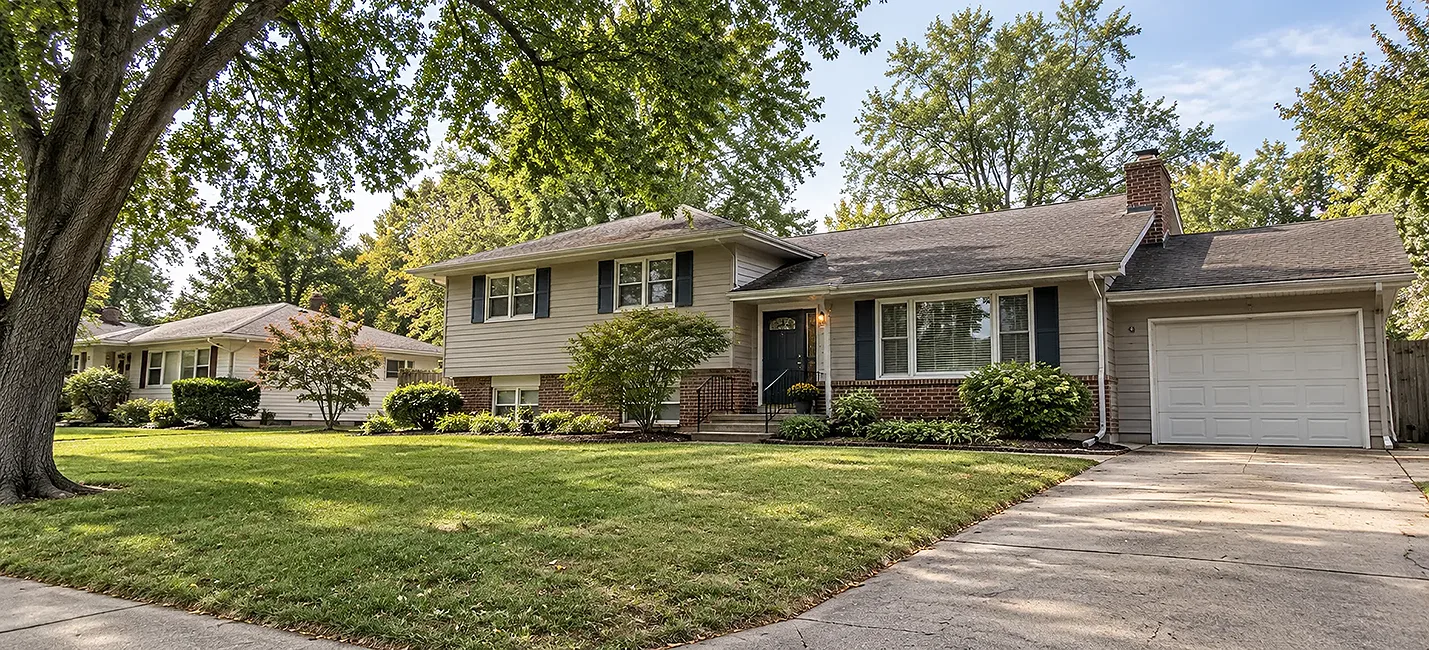
Selling Real Estate While a Bankruptcy Case Is Involved
Can You Sell a House During Bankruptcy?
Yes, a house may be sold during bankruptcy in some situations, but an active bankruptcy changes how the transaction needs to be approached. The type of case, the home’s equity, mortgages and liens, applicable exemptions, and the status of the bankruptcy can all affect whether the homeowner controls the sale and what happens to the money afterward.
If you are considering selling a house during bankruptcy in Kansas City, the first step is not choosing a buyer or setting a closing date. Start by telling your bankruptcy attorney that you are considering a sale. Your attorney can explain whether the property is part of the bankruptcy estate, whether the trustee or court needs to be involved, and what must happen before a transaction can close.
A buyer can still provide useful information during that process. If you want to know what the property could sell for as-is, Sunflower Home Buyers can evaluate the house and provide a cash offer for you and your attorney to review.
We buy houses throughout the Kansas City metro, but we do not determine whether a bankruptcy sale is authorized. Our role is to provide the real estate offer and complete the purchase if the bankruptcy process allows the transaction to proceed.

Before Discussing a Closing Date
The Most Important Question Is Who Controls the Sale
Bankruptcy can change who has authority over property and what approvals are necessary. That needs to be clear before a homeowner treats the transaction like an ordinary sale.
Filing bankruptcy can create a bankruptcy estate that includes legal or equitable interests in property. In a Chapter 7 case, a trustee may administer nonexempt property for creditors. Chapter 13 generally works differently because the debtor normally keeps property while making payments through a repayment plan.
That difference is one reason generic advice such as “you can always sell your house during bankruptcy” is not useful enough. The answer can depend on the bankruptcy chapter, exemptions, equity, liens, whether the property remains part of the estate, and orders already entered in the case.
If you already have an offer or are thinking about requesting one, give the purchase terms to your attorney. An actual offer with a purchase price and proposed closing date is much more useful than asking the attorney to evaluate a hypothetical sale.
Three Different Points in the Process
When You Sell Can Matter as Much as How You Sell
Selling before bankruptcy, during an active case, and after the case has concluded are not interchangeable situations. Each one raises different questions about the property and the sale proceeds.
01
Before Filing
If bankruptcy is being considered but has not been filed, speak with a bankruptcy attorney before selling or transferring the house. The transaction and the use of the proceeds can become relevant to a later bankruptcy case.
Selling beforehand is not automatically better than selling during bankruptcy. The important point is that the transaction is properly documented and fits the larger financial situation.
02
During the Bankruptcy
An active bankruptcy can affect control of the property, approval of the sale, the timing of closing, and the treatment of proceeds. Depending on the case, the trustee, court, confirmed plan, or other bankruptcy requirements may need to be considered.
This is when selling a house during bankruptcy requires the closest coordination between the homeowner, attorney, buyer, and title company.
03
After the Case
Once the bankruptcy case has concluded, confirm whether anything from the case continues to affect the property. A bankruptcy discharge and a lien against real estate are not necessarily the same thing.
A title search can identify mortgages and other recorded matters that must still be resolved before ownership transfers to a buyer.
Chapter 7
Selling a House During Chapter 7 Bankruptcy
Chapter 7 is commonly described as a liquidation bankruptcy. A bankruptcy estate is created when the case is filed, and the Chapter 7 trustee is responsible for administering nonexempt property that may provide value for creditors.
That does not mean every homeowner in Chapter 7 automatically loses a house. Mortgages, liens, exemptions, ownership, the amount of equity, and the costs associated with a sale can all affect whether there is value for the bankruptcy estate.
If you are trying to sell a house during Chapter 7 bankruptcy, do not assume you can independently sign and close a transaction simply because your name remains on the deed. Your attorney can determine whether you or the trustee controls the proposed sale and what procedure applies.
If an offer would help that analysis, Sunflower Home Buyers can evaluate the Kansas City property and provide a proposed purchase price without requiring repairs first.
Chapter 13
Selling a House During Chapter 13 Bankruptcy
Chapter 13 generally allows an individual with regular income to keep property while making payments under a court-approved repayment plan.
A proposed home sale can still affect the case. The sale may need to be considered in relation to the confirmed plan, the mortgage, other secured claims, available equity, and the treatment of the proceeds.
If you want to sell your house during Chapter 13, ask your attorney whether notice, trustee involvement, court approval, a plan modification, or another procedure applies in your case.
The buyer should work around that process rather than promising a closing date that the bankruptcy case may not allow.
The House May Be Worth More Than the Equity
Why Home Equity Matters When Selling During Bankruptcy
A home’s market value does not tell you how much money would actually remain after a sale. The mortgage payoff, second mortgages, tax liens, judgments, closing expenses, and other valid claims against the property can reduce the amount left over.
For example, a homeowner might own a house worth substantially more than the mortgage balance but still have other obligations that affect the net proceeds. That remaining equity may then need to be evaluated under the bankruptcy rules and applicable exemptions.
Equity can be particularly important in Chapter 7 because a trustee evaluates nonexempt assets that may provide value for creditors. In Chapter 13, property value and equity can also matter to the structure and administration of the repayment plan.
Your bankruptcy attorney should determine how the equity is treated. A cash home buyer can help establish one possible sale price, but the buyer does not determine which portion of the proceeds you are entitled to keep.
Before You Commit to a Buyer
Four Parts of a Bankruptcy Home Sale Need to Line Up
A workable transaction needs more than a purchase price. The property, bankruptcy case, title work, and final authorization all need to support the same sale.
1. Establish What Is Being Sold
Confirm ownership of the Kansas City property, who is on the deed, who must sign, whether someone else occupies the house, and whether the bankruptcy affects control of the real estate.
2. Give the Offer to Your Attorney
The actual purchase agreement gives your attorney a price, buyer, proposed closing date, and transaction structure to evaluate. That is more useful than asking whether you can sell without knowing the terms.
3. Determine What the Case Requires
Your attorney can determine whether the trustee, court, creditors, Chapter 13 plan, or another part of the bankruptcy process needs to be addressed before the transaction proceeds.
4. Close Under the Approved Terms
Once the bankruptcy requirements and normal title work are satisfied, the purchase can proceed according to the terms that are actually permitted. Do not schedule your next financial move around a closing until those requirements are clear.
Follow the Money Through the Transaction
What Happens to the Money When a House Is Sold During Bankruptcy?
One of the most common misconceptions is that the difference between the sale price and mortgage balance automatically belongs to the homeowner. An active bankruptcy can make the treatment of those proceeds more complicated.
The closing process first has to account for the mortgage payoff and other obligations affecting title. Depending on the property, that can include additional mortgages, tax liens, judgments, association balances, or other valid claims.
What happens to the remaining proceeds is a bankruptcy question. Exemptions, the chapter of bankruptcy, the confirmed plan, trustee involvement, and orders entered in the case may all affect whether money is retained by the homeowner, applied through the bankruptcy, held pending further direction, or handled another way.
Before accepting a sale because the price appears to leave significant equity, ask your attorney what that equity means in your actual bankruptcy case.
START WITH
Purchase Price
ACCOUNT FOR
Mortgage + Liens + Closing Obligations
THEN DETERMINE
How the Bankruptcy Treats the Remaining Equity
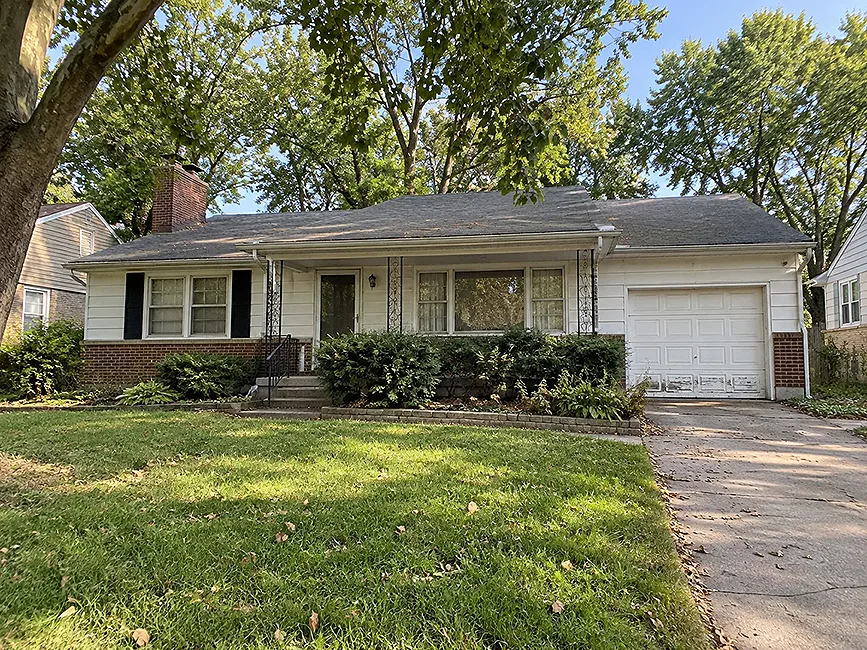
The Legal Process May Be Complicated. The Property Does Not Have to Be Perfect.
Sell a House As-Is During Bankruptcy in Kansas City
If the bankruptcy process allows the home to be sold, you may not need to renovate it first. An as-is buyer evaluates the house in its current condition and accounts for expected repairs when determining the purchase price.
This can be useful when the property has an older roof, dated kitchen, worn flooring, foundation concerns, water damage, deferred maintenance, unwanted belongings, or years of unfinished projects.
Sunflower Home Buyers buys houses in Kansas City as-is. You can request an offer without replacing flooring, remodeling rooms, cleaning out the entire property, or completing repairs solely to put the house on the market.
The tradeoff should still be understood. A repaired property exposed to retail buyers may potentially sell for more. A direct buyer factors its repair and resale costs into the offer. If bankruptcy is involved, your attorney can use the actual offer to evaluate whether the proposed transaction is appropriate for the case.
An as-is offer simplifies the real estate side of the transaction. It does not bypass the bankruptcy process.
Kansas City Crosses a State Line
Bankruptcy Is Federal, but Property Questions Can Still Be Local
Bankruptcy is governed primarily by federal law, but that does not mean every Kansas City homeowner has the same property analysis. State law can still matter to exemptions and other property rights, and the applicable rules can depend on residency and the individual case.
A homeowner in Kansas City, Kansas should not assume that an article written about a Missouri homestead exemption applies to the property. The same is true in reverse. Generic online estimates of how much equity someone can “keep in bankruptcy” can be misleading when the writer does not know the homeowner’s state, bankruptcy chapter, residency history, ownership, or liens.
For a Kansas City bankruptcy home sale, use your attorney for the exemption and bankruptcy analysis and use the title company for the property’s title and payoff information. The buyer’s job is to provide the proposed purchase price.
What Working With Sunflower Home Buyers Looks Like
Get a Cash Offer Your Bankruptcy Attorney Can Review
You do not need to settle every bankruptcy question before asking what we might pay for the house. Start by telling us about the real estate. We can review the location, condition, repairs, occupancy, unwanted belongings, and other details that affect the property’s value.
Tell us that bankruptcy is involved as well. That helps us avoid treating the proposed closing date like an ordinary sale when additional review may be necessary.
If the property fits what we buy, Sunflower Home Buyers can provide an as-is cash offer. You can give that offer to your bankruptcy attorney and determine whether the transaction is allowed, whether additional approval is necessary, and how the proposed proceeds would be handled.
If the sale is authorized, we can coordinate the real estate transaction and normal title work around the requirements that apply to the case.
Call (913) 421-3438 or request a cash offer online to find out what we could pay for your Kansas City house in its current condition.
Keep the Roles Clear
What a Cash Home Buyer Can Help With During Bankruptcy
We can evaluate the real estate, provide a purchase price, explain our as-is buying process, work with the title company, and provide transaction documents for your attorney to review.
We cannot determine whether your property is exempt, choose a bankruptcy chapter for you, tell you how much equity you are entitled to keep, decide whether a trustee has authority over the property, or guarantee that a court will approve a proposed sale.
Keeping those roles separate protects the integrity of the transaction. Your attorney handles the bankruptcy advice. The title company handles the closing and title work. Sunflower Home Buyers handles the proposed purchase of the house.
A Useful Rule
Do Not Promise a Closing Date Before You Know What the Case Requires
A cash buyer may be able to close without waiting for mortgage financing, but that does not eliminate bankruptcy-related requirements.
If court, trustee, attorney, or plan-related steps need to happen first, the real estate timeline should be built around them.
One Number to Take Back to Your Attorney
Considering Selling Your House During Bankruptcy?
If selling the Kansas City property is one of the options being considered, getting a real purchase offer can make the conversation more concrete. You will know what a buyer is willing to pay, what condition the house can be sold in, and what closing timeframe is being proposed.
From there, your bankruptcy attorney can determine how that transaction fits the case. If the sale is permitted, Sunflower Home Buyers can purchase the home as-is without requiring you to turn it into a retail-ready property first.
Call (913) 421-3438 or request your cash offer online.